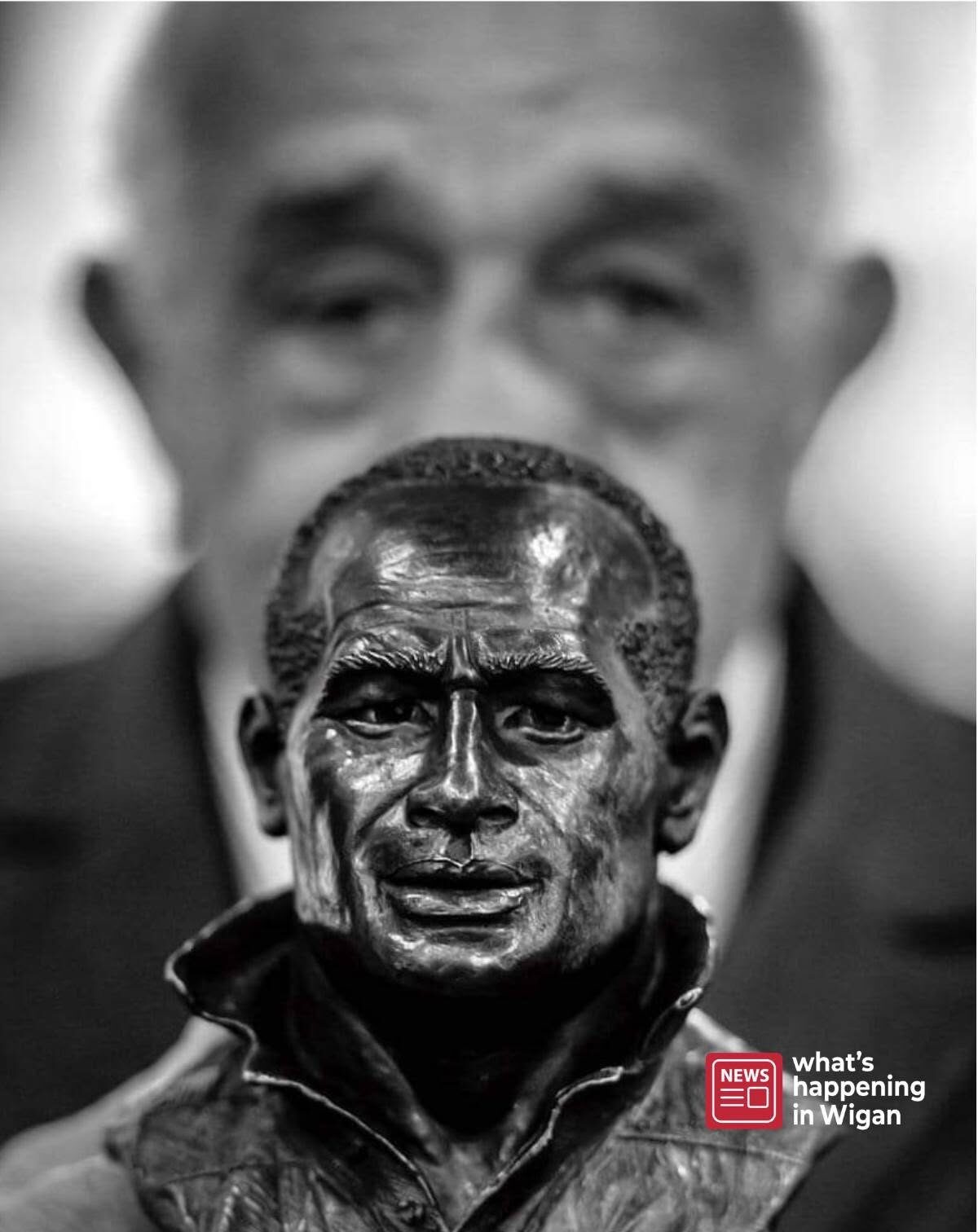
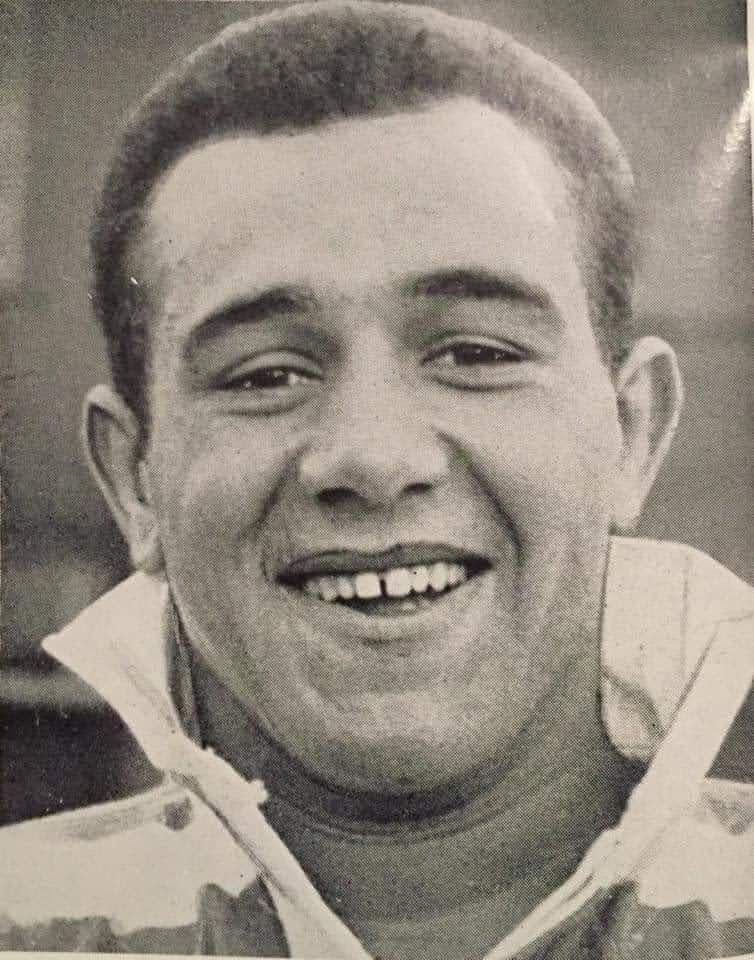
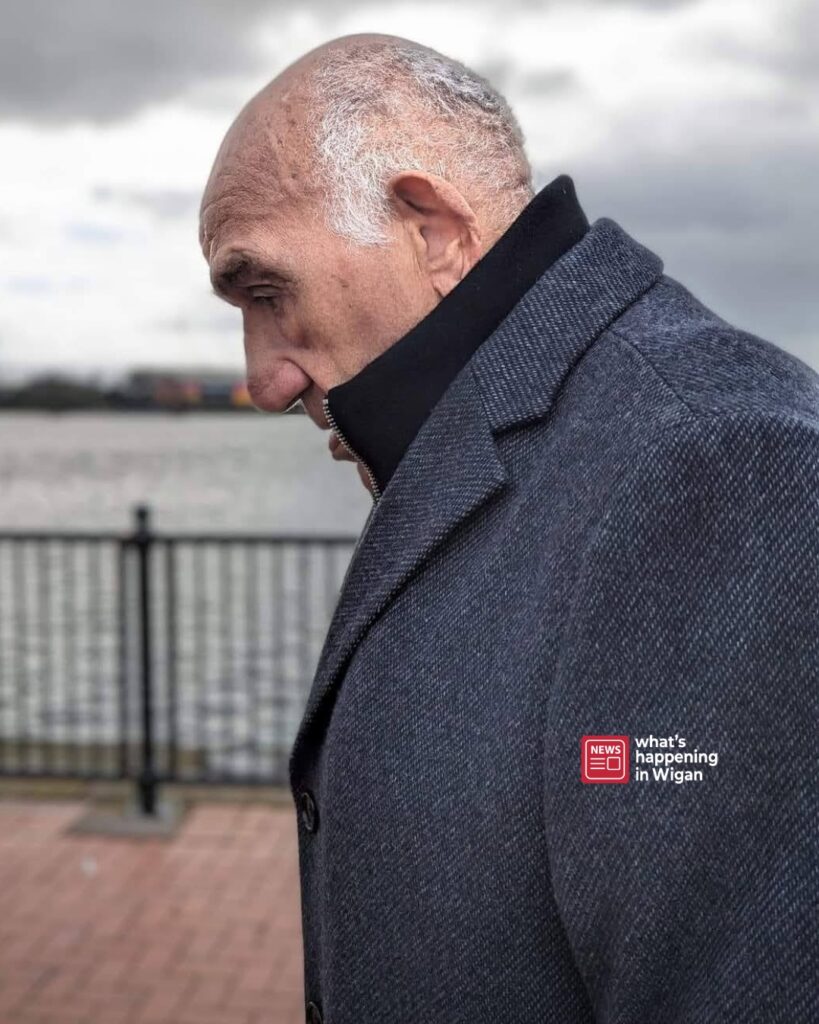
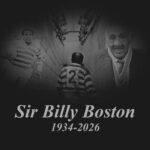
Sir Billy Boston. Photo by his grandson Gareth

Sir Billy Boston: The remarkable life of Wigan’s beloved ‘King Billy’

There are sporting greats, there are club legends, and then there are those very few people who become part of the identity of a place.


For Wigan, Sir Billy Boston was one of those people.


He wasn’t born here. He didn’t grow up here. He arrived from Cardiff as a 19-year-old in 1953, leaving behind his family and the streets of Tiger Bay where he had been raised.


But Wigan became his home.


And somewhere along the way, Billy Boston stopped simply being an extraordinary rugby league player who happened to play for Wigan and became ‘King Billy’ – a man loved by generations of Wiganers, including thousands who weren’t even born when he last pulled on the famous cherry and white shirt.


The statistics explain some of it.


He scored a club-record 478 tries in 488 appearances for Wigan. He won three Challenge Cups at Wembley, represented Great Britain, became a World Cup winner and broke racial barriers as the first non-white player selected for a Great Britain Rugby League Lions tour. By the end of his career, he had scored 571 tries, a total bettered in rugby league only by the great Brian Bevan.


But numbers don’t really explain Billy Boston.


They don’t explain why children who never saw him play knew exactly who he was.


They don’t explain why people continued to stop him around Wigan decades after his playing career ended.


And they don’t explain why, more than 70 years after a teenager from South Wales began a new life here, Wigan regarded him as one of our own.

William John Boston was born on August 6, 1934, in Tiger Bay, Cardiff.


The sixth of 11 children, he was born into a family with roots in Sierra Leone through his father John, a merchant seaman, and Cardiff’s Irish community through his mother Nellie. Rugby was part of Billy’s life from childhood.


He represented Cardiff Schools, Boys Clubs of Wales and Wales Youth and played rugby union for Neath and Pontypridd. But Billy was a mixed-race young man growing up in Britain in the 1940s and 50s, and his story cannot be separated from the racial prejudice of the time.


His ambition was to play rugby union for Cardiff and Wales.


It never happened.


The Rugby Football League would later acknowledge that Billy faced racism in rugby union which denied him the opportunity to represent his home nation. For a man who remained enormously proud of being Welsh throughout his life, it was something which stayed with him.


Then came National Service.


And the move north which would change his life.

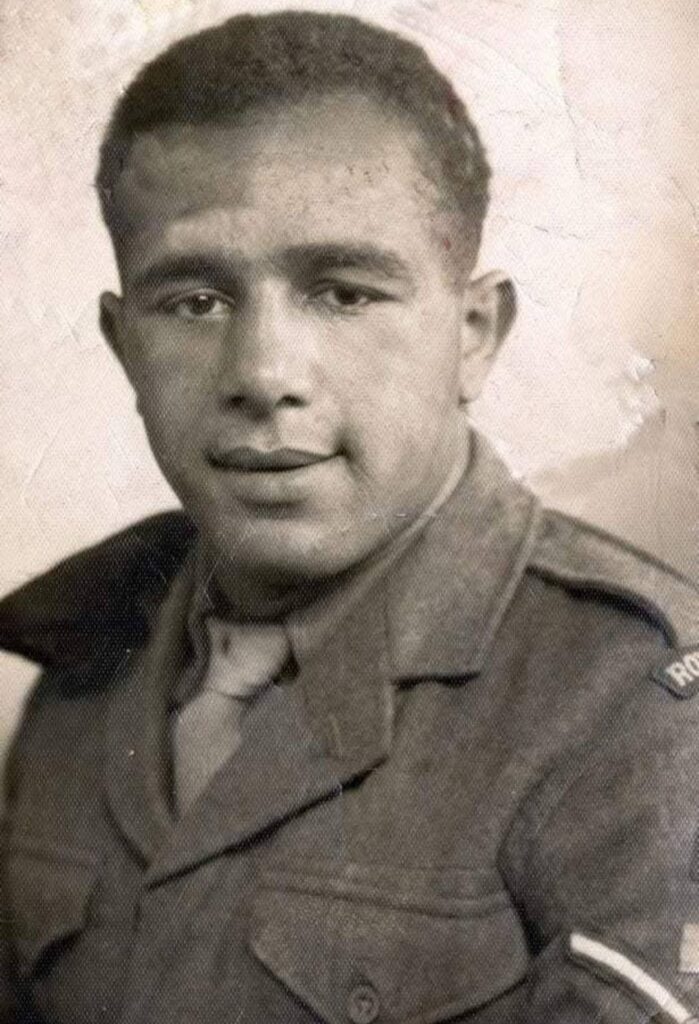
Billy served with the Royal Signals at Catterick, North Yorkshire, and his performances on the rugby field inevitably attracted the attention of rugby league clubs.


Wigan wanted him. The story of how they got him has become part of rugby league folklore.


Wigan chairman Joe Taylor and vice-chairman Billy Gore travelled to the Boston family home in Cardiff in March 1953.


Billy didn’t want to abandon his hopes of playing rugby union for Cardiff and Wales. An initial £1,000 offer was rejected. Then £1,500.


Eventually his mum Nellie decided she would get rid of the Wigan delegation by naming what she thought was an impossible figure.


£3,000.


Wigan agreed. Billy later recalled that he cried after signing because he knew becoming a professional rugby league player meant his dream of playing rugby union for Wales was over.


It may have been the best £3,000 Wigan ever spent. Billy made his Wigan first-team debut against Barrow at Central Park in November 1953.


He scored.


What followed was extraordinary.

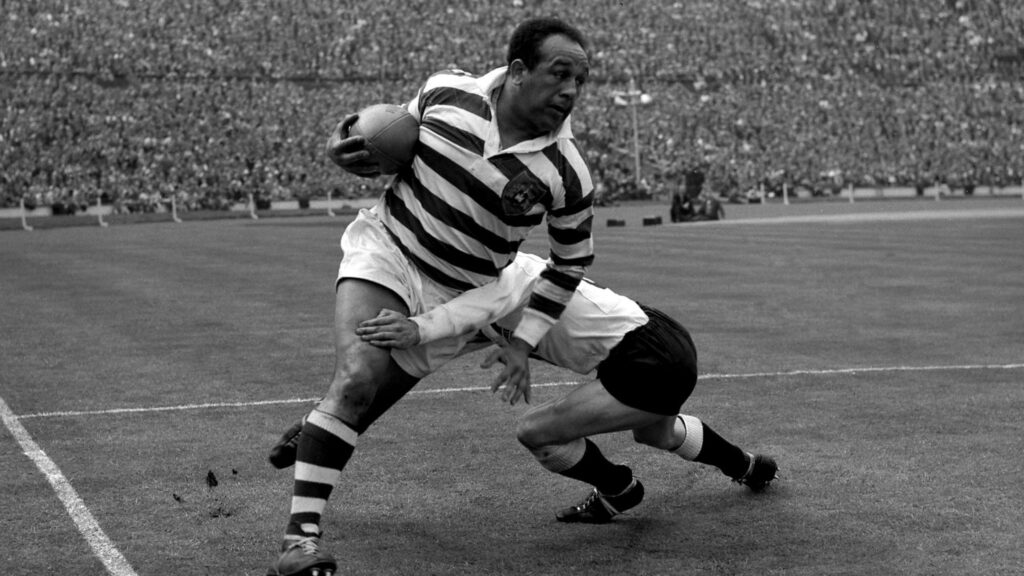
Billy was a winger unlike almost anything rugby league had seen.


He had explosive acceleration and pace, but also extraordinary strength. Defenders could get hold of him and still discover that actually stopping him was another matter entirely.


And Billy scored tries. Lots of them.


During 15 years at Wigan, he scored 478 in 488 appearances, a club record which still stands.


He played in six Challenge Cup finals and won three, in 1958, 1959 and 1965.


He helped Wigan win the Championship in 1960. And his reputation quickly travelled far beyond Central Park. In 1954, less than a year after making his Wigan debut, Billy was selected for Great Britain’s tour of Australia and New Zealand.


It made history.


He became the first non-white player selected for a Great Britain Rugby League Lions tour. Billy responded by scoring an extraordinary 36 tries in 18 appearances.


He went on to score 24 tries in 31 Great Britain Tests and was part of the Great Britain team which won the 1960 Rugby League World Cup.


By the time his career ended following a brief spell with Blackpool Borough, he had scored 571 tries. But while Wigan was watching Billy Boston become one of the greatest rugby players in the world, another hugely important part of his life was beginning.


Joan.

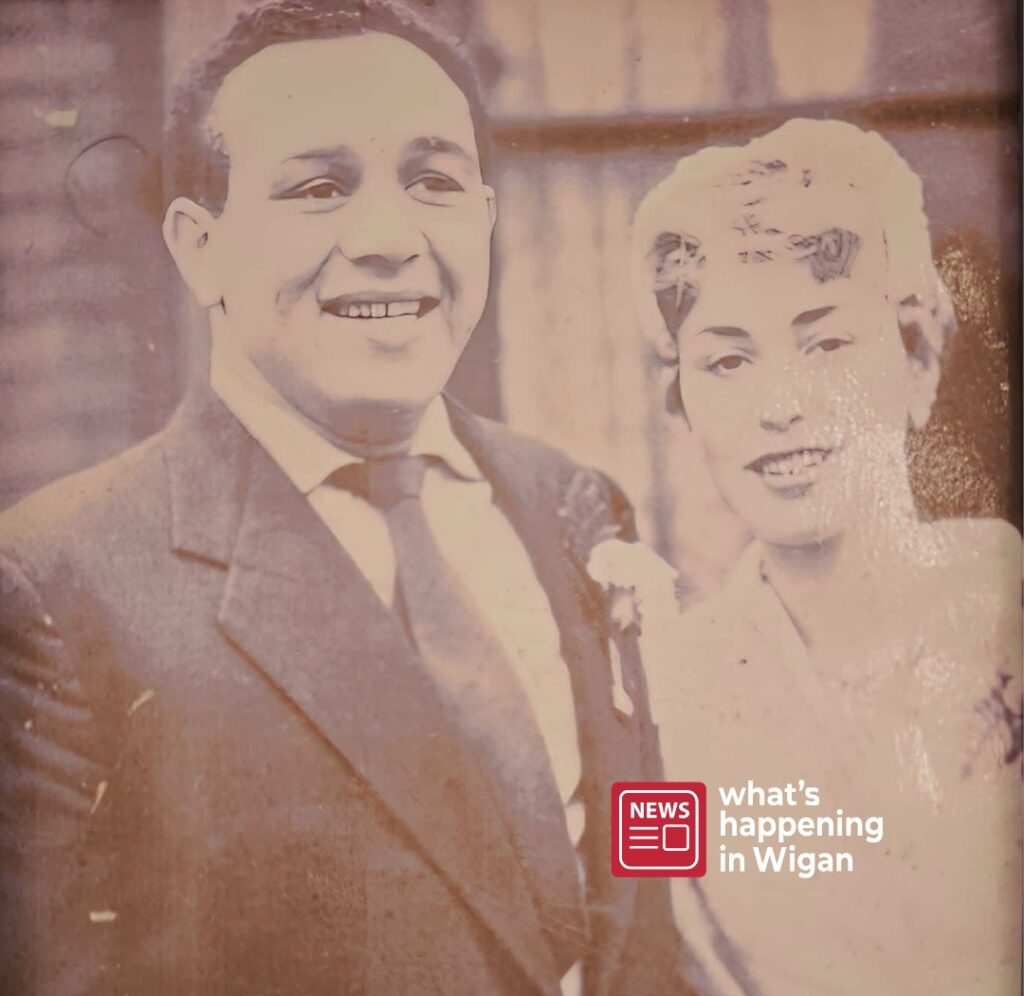
Billy and Joan Boston on their wedding day. Photograph from the family collection, courtesy of their grandson Gareth.

Billy and Joan would go on to share 70 years of marriage.


While the public knew the rugby league superstar, together they built another life in Wigan, as husband and wife, parents and eventually grandparents and great-grandparents. They had five children.


And behind the enormous public success, their family also experienced terrible loss. Two of their daughters, Angela Dainty and Lisa Parr, died before them.


When Billy received his knighthood in 2025, their son Stephen spoke about the sadness that his sisters had not lived to see it.


For Billy and Joan’s grandchildren, meanwhile, there was the slightly unusual experience of growing up with a man who belonged to their family, but who an entire town felt belonged to them as well.


His grandson Gareth once described it perfectly to me.

To everyone else he might have been King Billy. To them, he was Grandad Billy.


And there was another place where the Boston family became part of Wigan life. The Griffin. When Billy’s playing career ended, he didn’t take his medals and disappear from the town which had watched him become a superstar.


He stayed.


Billy became landlord of The Griffin Hotel, near Wigan’s old Central Park ground. An interview with Billy in 1996 recorded that he had taken over The Griffin in 1968 and, when he retired, handed it over to his daughter Angela.


For Wigan rugby supporters, it became something of an institution.


Think about it.


One of the greatest rugby league players who ever lived was behind the bar, just down the road from the ground where he’d become a legend, talking rugby with the same people who had watched him from the terraces.


That’s part of what made Billy different in Wigan. He wasn’t a distant sporting great preserved in black-and-white photographs.


He was still here.


People saw him. They spoke to him. Their children knew him. Then their grandchildren knew him.


Wigan watched Billy Boston grow older with us.

And life above The Griffin wasn’t always quite as dignified as the record books might suggest. Gareth told me one of my favourite stories about growing up with Grandad Billy.


He and his brother were upstairs at the pub and decided to watch Porky’s, one of those mildly saucy films from the 1980s. There was just one problem. They hadn’t realised the television upstairs was linked to the one downstairs.


So Porky’s was also being broadcast to Billy’s customers in the pub. Cue Billy coming upstairs to find out what on earth was going on.


That was the other Billy Boston. Not the World Cup winner. Not the record breaker.


Grandad Billy.


Gareth also remembered reaching high school and having a teacher ask him for his autograph. Not his grandad’s. His.


The teacher’s reasoning was that anyone related to ‘Big Billy B’ was a star. Gareth gave him the autograph, and still thinks it was a bit weird.


But it tells you something about growing up as Billy Boston’s grandson in Wigan. That affection crossed generations. And eventually Wigan put it in bronze.

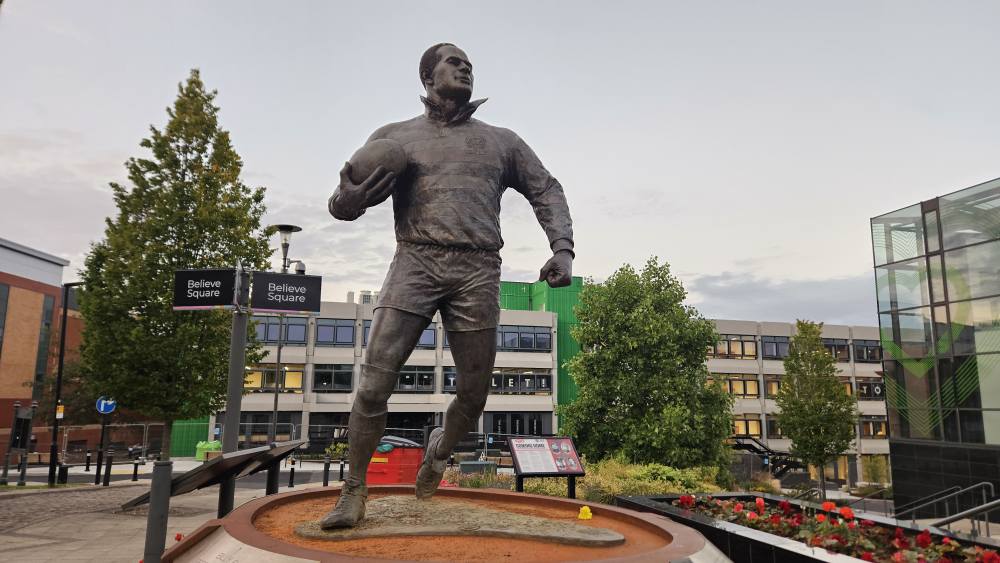
Hundreds turned out despite the pouring rain when Billy Boston's statue was unveiled in Wigan's Believe Square in 2016.

Billy’s statue was unveiled in Believe Square in 2016. I was there. It was absolutely chucking it down. And hundreds of people came anyway.


The square was full of umbrellas and people who wanted to be there when Wigan permanently honoured the teenager from Cardiff who had arrived more than six decades earlier.


It was also where I first met Gareth. Years later, when I finally persuaded him to sit down and tell me what it was really like having possibly the most loved man in Wigan as your grandad, the love and pride on his face were impossible to miss.


And Wigan isn’t the only place where Billy stands in bronze. He is represented at Wembley Stadium among rugby league’s greats.


Then, in 2023, another monument was unveiled in Cardiff Bay, honouring three extraordinary Welsh rugby league codebreakers, Billy Boston, Clive Sullivan and Gus Risman. All three had grown up within three miles of Cardiff Bay.


For Billy, that one was particularly special.


“It means so much to him as it was his hometown, and it was the town that he had to leave,” Gareth told me. Wales, he said, remained a regret for his grandad because he had never been able to represent his country in the way he had dreamed of as a young man.


“So for him to see that his legacy is being celebrated there as well was amazing for him.”


Billy had left Cardiff as a teenager after the opportunity his talent deserved had not come. Seven decades later, Cardiff put up a statue to him.

Billy in Cardiff after his statue was unveiled. Photo by his grandson Gareth

But for all the statues, records and accolades that had come Billy’s way, there was still one honour which rugby league had never seen bestowed upon one of its own.


In the entire history of the sport, nobody had ever been knighted for services to rugby league.


That changed in 2025.


Sir Billy Boston.


At Buckingham Palace, King Charles III bestowed rugby league’s first knighthood on a man whose journey had begun in Tiger Bay more than 90 years earlier. It was recognition not only of an extraordinary sporting career, but of a man who had broken barriers throughout his life.


For a sport rooted in northern working-class communities, which had waited 130 years for one of its own to receive such recognition, it was a hugely significant moment. And there could hardly have been a more fitting first.


The mixed-race boy from Tiger Bay who had faced racism.


The teenager who left home for Wigan.


The first non-white player selected for a Great Britain Rugby League Lions tour.


The World Cup winner.


The Wigan record breaker.


King Billy was now Sir Billy.

Sir Billy Boston receives his knighthood from King Charles III at Buckingham Palace in June 2025.

The knighthood gave Billy another title, but it didn’t change the relationship he had with Wigan. People still stopped him.


They wanted photographs. They wanted to shake his hand. They wanted to tell him that their dad or grandad had watched him play. When I asked Gareth whether that had ever become frustrating when all he wanted to do was spend time with his grandad, his answer was no.


Because he got to see what those encounters gave Billy.


“The joy he gets from people wanting to talk to him, from talking to people, I get to see that,” Gareth told me.


“He just loves it.”


And then Gareth said something which perhaps explains Billy Boston’s relationship with this town better than any list of records or honours ever could.


“He is a proud Welsh man, but he belongs to the people of Wigan. If you ask him, he’s a Wiganer. And the way the people of Wigan celebrate him at every opportunity they get, I can never thank them enough for that.”

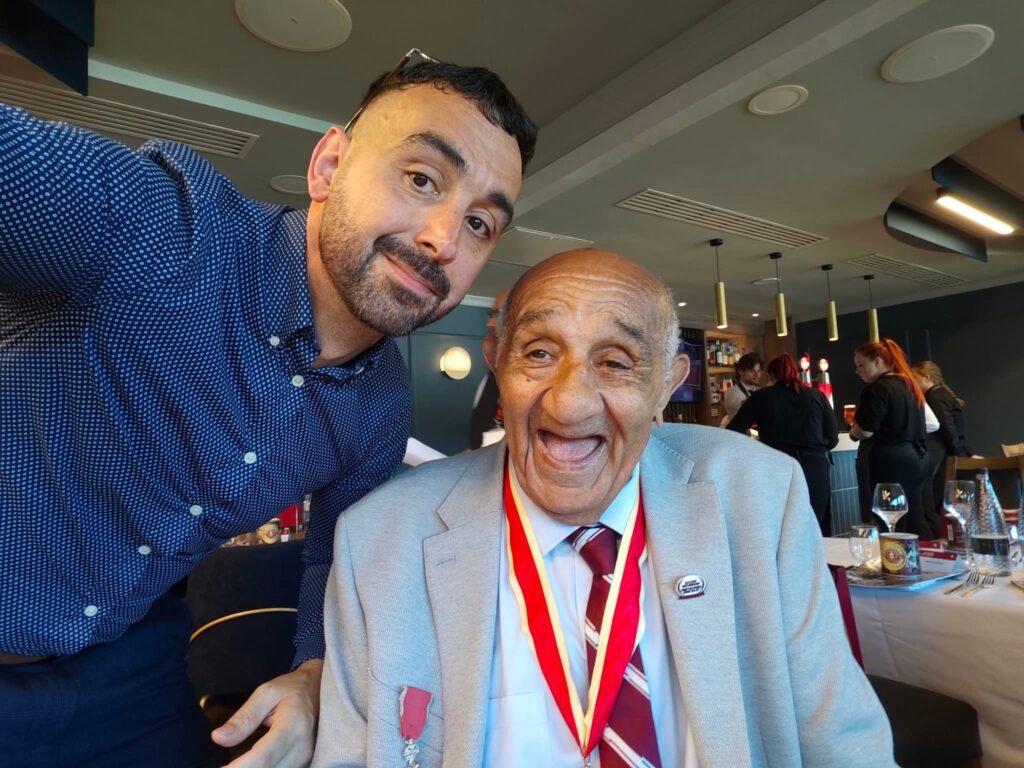
Gareth with his 'Grandad Billy'

In July 2025, Wigan Warriors gave Sir Billy the homecoming he deserved following his historic knighthood.


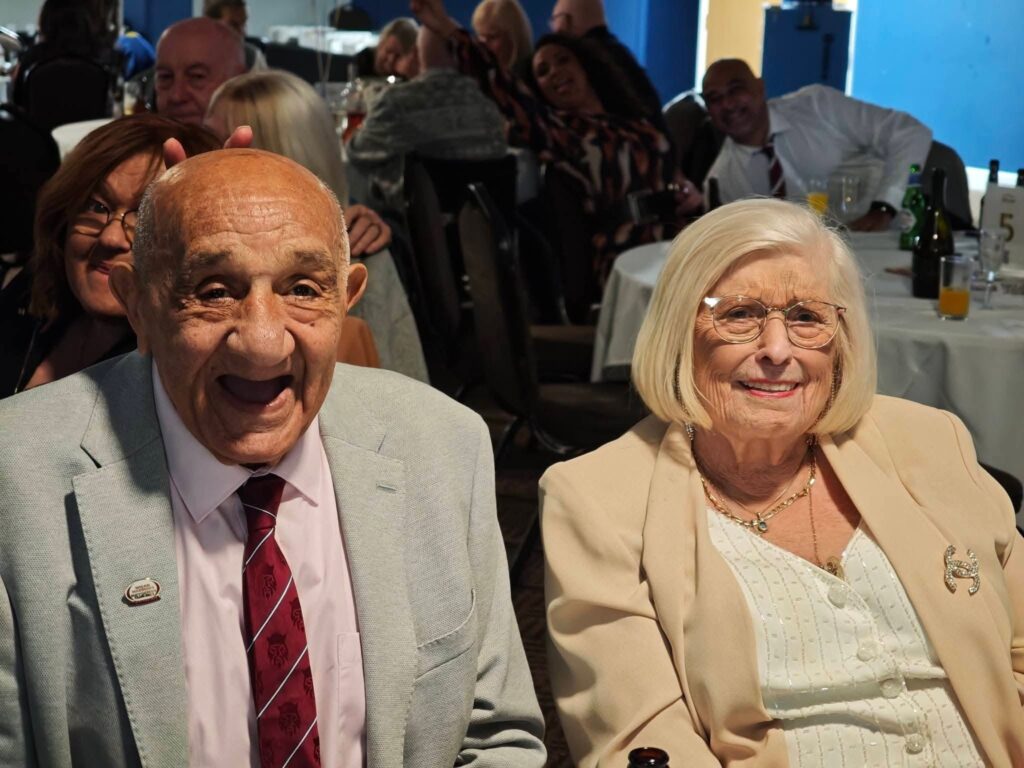
Billy and Joan arrived together in a classic car before Billy was taken onto the pitch, where he was greeted by former teammates and seated on a throne in front of the supporters who had called him King Billy for generations.


Behind him was the enormous image of the young Billy walking down the tunnel at Central Park, a remarkable meeting of the young man who became a Wigan legend and the 90-year-old Sir Billy being celebrated more than seven decades later.

For Wigan, it was a chance to celebrate a man whose name had been woven into the town’s history for more than 70 years.


The teenager who arrived from Cardiff in 1953 had become a Wigan sporting immortal. Now, at 90 years old, he sat on a throne in the stadium as generations of supporters stood to honour him.


It was an extraordinary moment for a man who had spent much of his life playing down his own achievements.

The public celebrations were followed by precious family milestones.


Earlier this year, Billy and Joan celebrated an extraordinary 70 years of marriage, while Joan also marked her 90th birthday. Their family came together for a joint celebration, seven decades after the young couple in that remarkable wedding photograph had begun their married life together.

Just a few months later, the Boston family suffered a devastating loss when Joan died at the age of 90.


For most of Billy’s extraordinary life in Wigan, Joan had been there beside him. Together they had raised their family, celebrated the remarkable highs and endured terrible losses, including the deaths of two of their daughters, Angela and Lisa.


Joan’s death brought their 70-year marriage to an end. She was laid to rest last Friday.


Just three days later, Billy died too, reunited with his beloved wife.


Thank you Sir Billy, for everything. Rest in peace. Thoughts, love and prayers with the whole family.

📧 Email : hello@whatshappeninginwigan.co.uk

📲 Follow what's happening in Wigan on social media:

Follow
Sidebar
Loading

Signing-in 3 seconds...

Signing-up 3 seconds...